 25 September 2026
 9 min read
 Worthing Auto Locksmith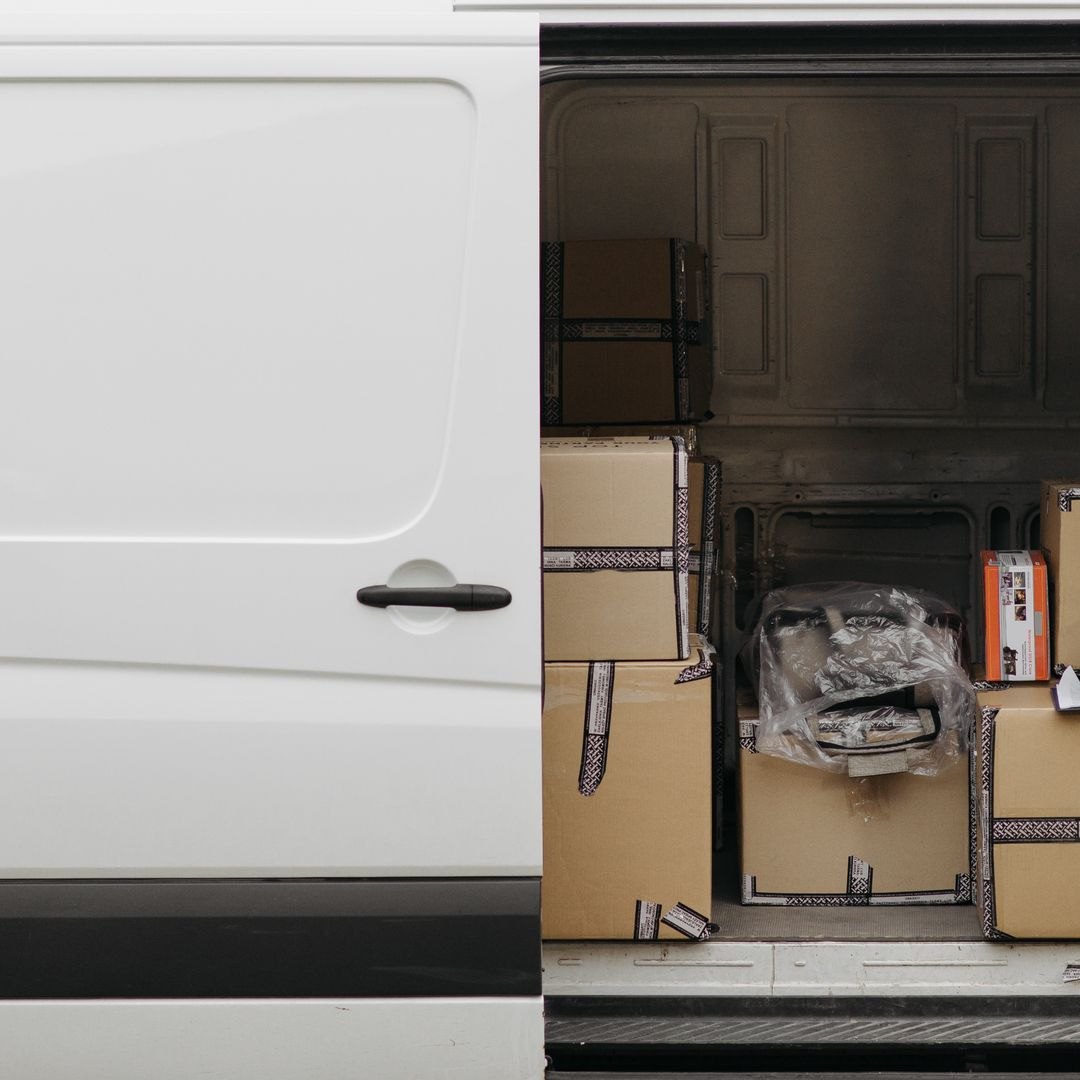
Call a mobile auto locksmith rather than forcing the door. A van opens without damage in minutes, and damage you cause yourself is damage you pay for, on top of the lockout.
The rest of this page is for the part nobody tells you, which is what to do about the load while you wait, and why the van locked itself in the first place.
Why this happens to vans and not cars
This is not carelessness, and it happens to trades far more often than to drivers. There is a mechanical reason for it.
Many work vans carry slam locks, fitted either at the factory or afterwards. A slam lock secures the door the instant it shuts. No key turn, no button, no delay. That is the whole point of it, because a van making twenty drops a day is left unlocked otherwise, and the lock removes the decision from the driver.
The consequence is that the van locks itself while you are loading rather than when you walk away. Put the keys on the seat, swing the side door shut with an armful of materials, and the van is secure with the keys inside it. The lock did exactly what it was fitted to do.
The second reason is that a van does not lock as one vehicle. The cab and the load area are often separate systems, and on many vans the rear doors carry their own locks again, sometimes aftermarket ones a previous owner fitted. A van can be half locked in a way a car cannot, which makes the next two minutes worth spending.
The first thing to check on a van
Before anything else, four quick checks. All of them take seconds and one of them regularly ends the problem.
If every door is locked, stop there. The next decision is the one that costs money, and it is covered below. It is also worth noting for later that a spare kept away from the van would have ended this at the first check.
The tools are the part exposed
Here is the part every other page skips. On a work van, the vehicle is not the problem. The load is.
A locked car is an inconvenience. A locked van is a vehicle you cannot leave, because walking away means leaving several thousand pounds of equipment on a street or a site with nobody watching it. That single difference changes every decision that follows.
Stay with the van. A van that is visibly the subject of attention draws more attention. Somebody trying doors, peering through the windscreen or walking around it repeatedly reads from a distance exactly as it looks, and a van standing unattended in that state for an hour is a target rather than a vehicle.
Do not open the van and then leave it open. This sounds obvious and it is the most common mistake on a site. A van that has been opened and then left while you go back to the job is less secure than it was when it was locked with the keys inside. Secure it the moment it opens, even if the keys still need sorting.
None of this is dramatic. It is simply that the reason you are anxious is the load, not the door, and the sensible responses are about the load.
Why forcing a van costs more
Every instinct says find a way in. On a van, that instinct is more expensive than it is on a car, for three reasons that have nothing to do with skill.
Van panels are thinner and flatter. A large flat door skin marks, dents and distorts far more readily than a shaped car door, and it shows from across a car park. A mark on a sign written van is a mark on the business.
The seals are doing more work. A sliding door runs on rails with long seals along its length, and the load area is watertight because those seals sit correctly. Distort one and the result is wind noise and water in the load area, which turns up weeks later as damaged stock rather than as an obvious fault.
The inside is full. Racking, ply lining and shelving sit directly behind the panels on most work vans. What would be an empty cavity on a car is occupied, so the repair is a trim strip out as well as a panel.
Set against that, a van opened without damage leaves nothing behind. The lock is not replaced, the door is not adjusted afterwards and there is nothing to explain when the van is sold. The difference is one phone call made early rather than late.
What your policy wording decides
One more reason to leave the door alone, and it is the reason most trades have never been told.
Tools in a van are usually not covered by the van policy. Cover for tools is normally a separate thing, whether that is a bolt-on to the van policy or a standalone policy of its own. Plenty of people discover this at the point of claiming rather than at the point of buying.
Where it connects to a lockout is the wording about how a loss happened. Policies covering tools carry conditions about the state of the vehicle and the way it was entered, and those conditions vary between insurers in ways that a summary cannot usefully generalise. The document is what decides, and it is worth reading the tool section before the day you need it, not after.
The practical point for right now is narrow and it is this. Damage you create yourself, to your own van, on purpose, is a conversation you do not want to be having, and it is entirely avoidable. A clean entry creates no conversation at all.
Getting the van open
A mobile auto locksmith comes to the van rather than the van going anywhere, which on a lockout is the entire value of the call. The van does not move, so nothing has to be recovered and nothing has to be towed off a site.
Four things make the call faster, and having them ready saves a conversation.
Ownership is checked before the van is opened, so have the registration document and photographic identification reachable. That check is the reason the service is worth having, and anybody who skips it is not somebody to call. It applies equally to a car opened at the roadside.
How long the van is off the road
The number that matters is not the callout. It is the hours.
A van lockout resolves in one visit, and the vehicle is usually usable again the same morning. That is the good news and it is worth holding on to while standing next to a locked van, because the instinct in the moment is that the day is finished.
What actually consumes the day is the decision to wait. Driving home for a spare, waiting for somebody to bring one, or sitting on hold with a provider who then sends somebody who cannot open a van with aftermarket locking, all cost more hours than the lockout does. The cheapest version of this is the one where the first call is the right call.
If the van is the business rather than a way of getting to it, that calculation is not close. An hour of a van off the road costs more than the visit that puts it back on, and a rescheduled customer costs more again.
When the lockout was a warning
Once the van is open, one question is worth asking before driving away. Did the van lock itself, or did you lock it?
If the keys were in your hand and the door shut behind them, that is a slam lock working correctly and there is nothing to fix.
If the van locked while you were standing beside it with the key in your pocket, or locked again after you unlocked it, or the doors cycled on their own, that is different. Central locking that operates without being asked points at the fob, the receiver or the module rather than at the driver, and it repeats.
The same applies to a key that has been getting harder to use. A blade that needs jiggling, a fob that works from closer each month or a lock that sticks in cold weather are all warnings. A lockout is often the first expensive symptom of a key that has been failing quietly for months. If that describes the key, the lockout was the notice, and what the key itself is failing at is the thing to deal with before it strands the van properly.
Making it not happen again
A van that earns money needs a different prevention plan from a car, and it comes down to one rule.
A spare that lives in the van is not a spare. This is the single most common mistake, and it defeats the entire purpose. A spare in the glovebox, taped inside a wheel arch or hidden in the load area is locked in with everything else, and the magnetic box under the chassis is the first place anybody looks.
A working spare lives somewhere else entirely. At home, with a partner, with whoever runs the yard, or in a key safe at the unit. Somewhere that is twenty minutes away is still faster than any other option on this page.
A spare has to be a real key. A blade that opens the door but has no chip programmed to the van will get the tools back and leave the vehicle where it stands. It is worth knowing which one is in the drawer before the day it is needed.
Test it twice a year. Spare keys sit in drawers for years with flat batteries. Unlock the van with it, start the van with it, and put it back.
The habit worth building is smaller than any of that. Keys go in a pocket, not on a seat, every single time the side door is open. Slam locks are unforgiving by design, and that is the whole of the protection against them.

 07932805727